
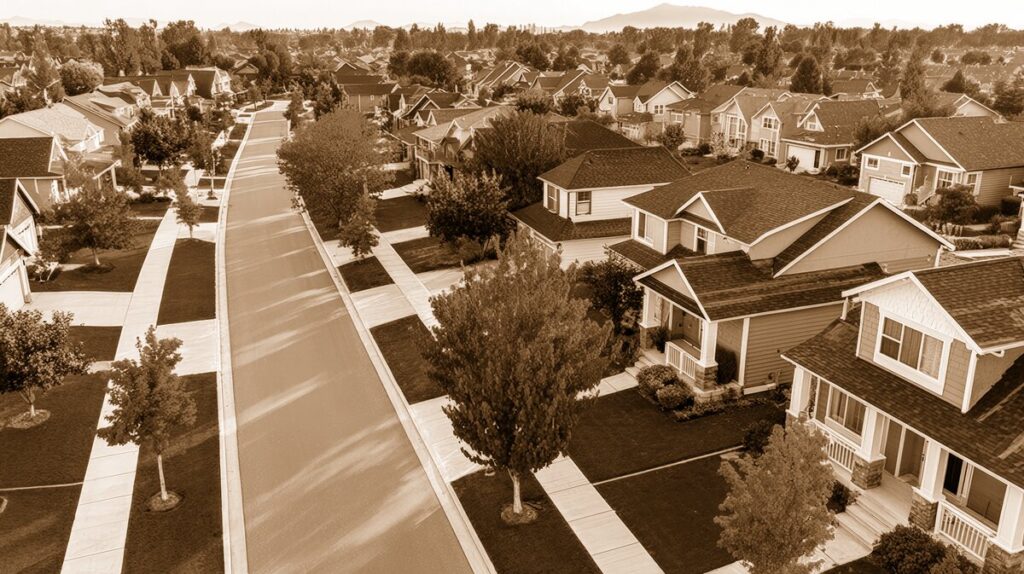
Westcore, nestled just west of Downtown Holland, MI, is a neighborhood with a story woven into the very fabric of the city. Sturdy homes, tree-lined streets, and a tapestry of residents from every walk of life mark this district as more than just a place to live—it’s a living, breathing chapter of Holland’s ongoing narrative. Whether you’ve walked down West 16th Street on a golden fall afternoon or cheered at the Westcore Summer Picnic in Rosa Parks Green, Westcore has a way of feeling like home. Let’s journey through its past and uncover what gives this neighborhood its lasting heart.
Origins: Foundations of a Community
Westcore’s history traces back to the late 19th and early 20th centuries when Holland itself was experiencing waves of growth fueled by Dutch immigrants and industries. While downtown bustled with commerce along 8th Street, the blocks to the west were initially open fields and fruit orchards—ripe for development as Holland’s prosperity grew.
The name “Westcore” is a more modern designation, crafted from “West” for its location relative to downtown and “core” signifying its importance in the city’s central history. The moniker first emerged in the 1980s as residents banded together to shape a sense of shared identity. Before that, residents simply referred to their district by its cross-streets. The formal neighborhood stretches from River Avenue west to Washington Avenue, and from 8th Street south to 24th Street.
Flourishing through the Decades
As Holland’s businesses grew, so did the demand for worker housing. The early 1900s saw rows of craftsman bungalows and foursquare homes pop up along streets such as State Street, Maple Avenue, and Pine Avenue. The classic Holland duplex—modest, functional, and always welcoming—became a neighborhood staple.
Some of Westcore’s key milestones include:
- 1901: Construction of Van Raalte Elementary on Van Raalte Avenue, serving generations of local children.
- 1912: West 16th Street is fully paved, improving access to new businesses and homes.
- 1947: Kollen Park, located just north of Westcore’s boundary, becomes a city park and beloved green space for all of Holland.
- 1960s–70s: Housing diversity expands, with apartments serving Hope College students and an influx of new neighbors from across the country (and globe).
- 1984: The Westcore Neighborhood Association forms, with a mission to sustain and enhance local quality of life.
Landmarks and Local Treasures
Westcore’s built landscape is a testament to both history and adaptability. A walk through the neighborhood reveals architecture from every era of Holland’s growth—brick churches, generous corner lots, and front porches that glow with evening conversations.
- Hope Church (77 W 11th St):
A cornerstone of community since 1862, this congregation has been in its current sanctuary since 1912. Both a spiritual home and a space for neighborhood potlucks and organizing, Hope Church’s bell tower is an iconic Westcore silhouette.
- Rosa Parks Green:
Once a simple vacant lot at 19th and College Avenue, this vibrant park is now a hub for summer block parties, family picnics, and community gardening. It serves as a testament to neighbors’ commitment to reclaiming and beautifying their shared space.
- Historic Homes:
Stroll down West 14th or West 18th Street and you’ll notice lovingly maintained Victorians and solid 1920s bungalows showcasing the craftsmanship of past builders. Many homes here have passed hands within families for generations.
Evolution and Diversity
Perhaps what’s most remarkable about Westcore is the way it has welcomed each new chapter. The 1970s saw college students renting attics and adding exuberant energy to street fairs; the 1990s and 2000s brought Hispanic, Southeast Asian, and African American residents who reshaped the neighborhood’s character with new businesses, foods, and traditions.
Westcore today is one of Holland’s most multicultural neighborhoods, recognized for resilient volunteer groups and an enduring neighborly spirit. Block parties, holiday caroling, and street sales are community events that bring together old-timers and newcomers alike. Initiatives like the Westcore Kids’ Club and garden swaps encourage cross-generational connection.
Streets, Parks, and Institutions
While Westcore doesn’t have the grand boulevards of other neighborhoods, its streets are its pulse. Here are some of the area’s notable thoroughfares and gathering places:
- West 16th Street: The neighborhood’s central artery, lined with mature maples and classic single-family homes.
- College Avenue: A route connecting the neighborhood’s residential core to Hope College and bustling city life.
- Van Raalte Avenue: Home to athletic fields and the beloved Van Raalte Elementary, this street buzzes with the sound of recess and neighborhood reunions.
Parks like Kollen to the north and Rosa Parks Green within the neighborhood itself give residents green spaces for both reflection and play.
The Heart of Holland
Ask anyone who’s lived in Westcore what sets it apart, and the answer comes down to resilience, openness, and community embrace. This is a neighborhood where neighbors shovel one another’s walks, drop off casseroles during hard times, and come together for neighborhood cleanups and celebrations. The Westcore Neighborhood Association remains vibrant, advocating for thoughtful development while preserving the character that makes this place feel like home.
As Holland continues to grow, Westcore’s heritage of hospitality, self-reliance, and joyful welcoming endures. Anyone passing through—whether en route to Hope College, headed to a lakeside picnic at Kollen Park, or simply walking the leafy blocks of Pine Avenue—can sense the deep roots and bright future of this remarkable neighborhood.